

The Humanitarian Health Ethics (HHE) Research Group is a multidisciplinary team of researchers and practitioners who have been collaborating since 2009. Our work explores how ethical dimensions of humanitarian health initiatives are understood and experienced by different groups. We also undertake inquiries that aim to clarify the ethical challenges that arise in humanitarian healthcare practice and policy.
The group began with a series of qualitative research studies in 2009, which soon revealed the value of building a more coordinated and sustained research program. This vision led to the formation of the HHE Research Group and, in 2012, the hosting of the first HHE Forum. That meeting catalyzed several new initiatives, including the development of this website and the creation of a set of research priorities for the field.
Since then, the HHE Research Group has collaborated with a wide range of partners and organizations to conduct studies on diverse topics—including ethics oversight of disaster research, palliative care in humanitarian crises, experiences of participation in Ebola clinical trials, and ethical dimensions of humanitarian innovation.
You’ll find short bios of current HHE team members below. Over the years, our work has also benefited from the contributions of former students and close collaboration with local researchers. These partnerships have broadened the scope of our inquiries and strengthened the co-design of our research program.
HHE Research Group Members
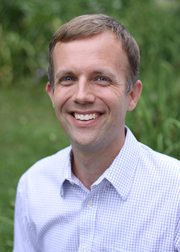
Matthew Hunt, PT, PhD
is an Associate Professor and the Director of Research in the School of Physical and Occupational Therapy at McGill University, as well as a researcher at the Center for Interdisciplinary Research in Rehabilitation and an affiliate member of the McGill Biomedical Ethics Unit, Department of Family Medicine, and Institute for Health and Social Policy. Previously, he has worked as a physiotherapist in Montreal, the Canadian arctic, North Africa and the Balkans.
Lisa Eckenwiler, PhD
Lisa Eckenwiler is Associate Professor of Philosophy at George Mason University and faculty director of the Global Health Ethics Fellows program. Prior to this position, she held appointments at Old Dominion University and Duke University. She has held fellowships at the Center for American Progress and le Centre de Recherche en Ethique at the University of Montreal.
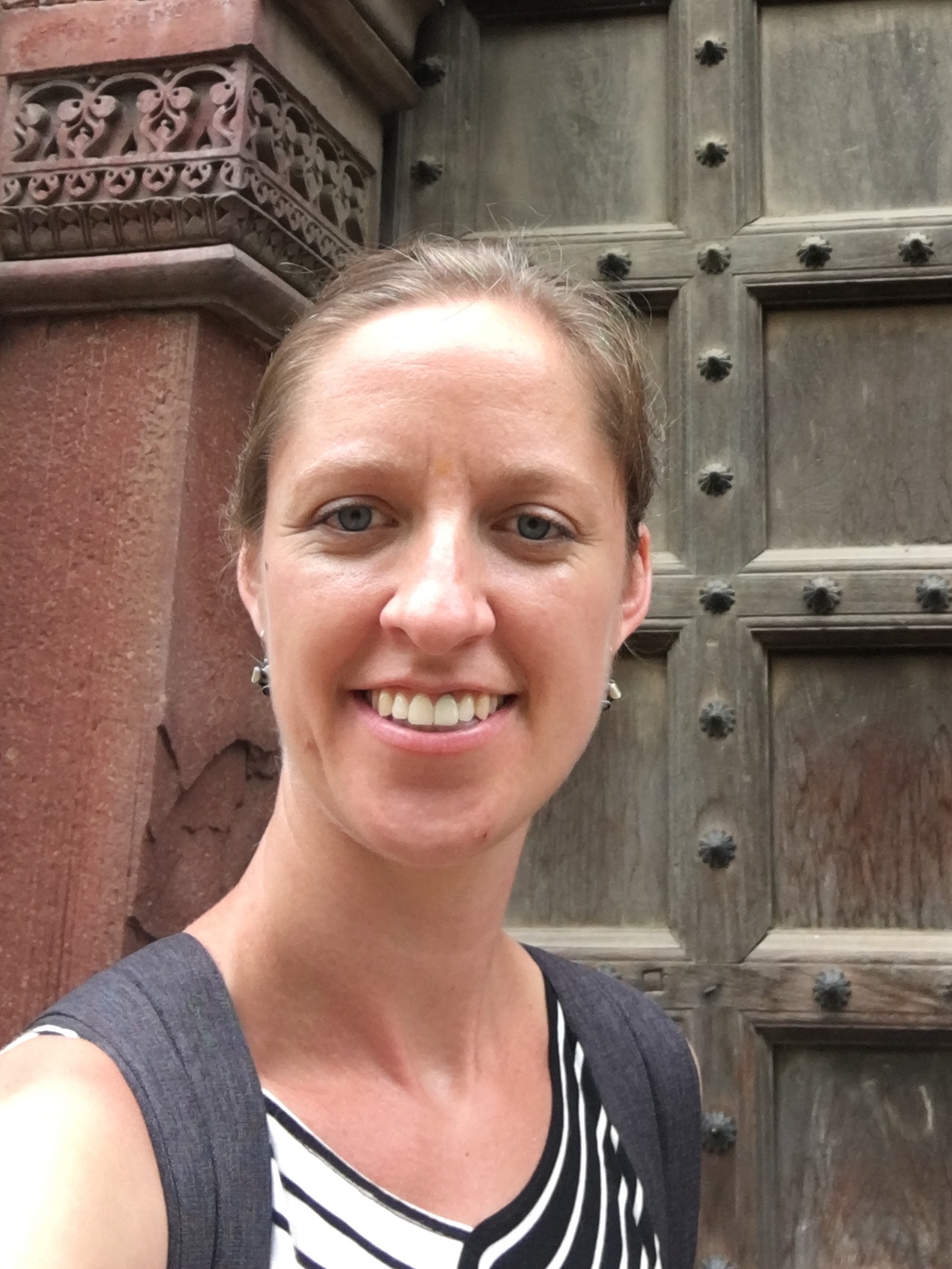
Rachel Yantzi, MScN
holds a master’s degree in community health nursing and public health from the University of Illinois at Chicago, and a bachelor’s degree in nursing from Goshen College. In addition to her work with the Humanitarian Health Ethics Research Group, Rachel is pediatric critical care nurse at McMaster Children’s Hospital and coordinates a study related to ethics during pediatric resuscitation research. Rachel worked with MSF in the Central African Republic in 2009 as supervisor of an inpatient department and therapeutic feeding program.
Lisa Schwartz, PhD
is the Arnold L. Johnson Chair in Health Care Ethics, Professor in the department of Health Research Methods, Evidence & Impact (formerly Clinical Epidemiology and Biostatistics), and associate member of the Department of Philosophy McMaster University. Between 2012-2017, Prof Schwartz was the Director of the PhD in Health Policy, and co-Associate Director of the Centre for Health Economics and Policy Analysis (CHEPA), at McMaster University. She completed her PhD in Philosophy at the University of Glasgow, where she then held the position of Senior Lecturer in Philosophy of Medicine in the Department of General Practice, Faculty of Medicine.

Sonya de Laat, PhD
is currently the Academic Advisor and Curriculum Coordinator in the Global Health graduate program at McMaster University. She previously held a position as Postdoctoral Fellow in Humanitarian Health Ethics with the HHERG. Her research interests span visual theory, cultural history and medical anthropology. Her current research interests include the moral, political and historical dimensions of humanitarian visual culture. She co-led on a case study part of the project “Aid when there is nothing left to offer” exploring moral and practical experiences of palliative care in protracted refugee/conflict settings.

Kevin Bezanson
Kevin Bezanson is an Assistant Professor, Northern Ontario School of Medicine, Lakehead University campus, and works as a Palliative Care physician based at the Thunder Bay Regional Health Sciences Centre in Thunder Bay, Ontario. He completed a Diploma in Tropical Medicine & Hygiene, University of Liverpool, in 2006, and Masters in Public Health, University of Toronto, 2013.
 HUMANITARIAN HEALTH ETHICS