
Listed here are main research areas of inquiry undertaken by the HHE research group.
With over 20 projects completed and 300+ interviews conducted, our work spans a range of humanitarian health ethics issues—engaging scholars, practitioners, and affected communities to generate meaningful, grounded insights.

ETHICAL DIMENSIONS OF HUMANITARIAN PROJECT CLOSURE
What responsibilities do humanitarian organizations have when their work comes to an end? This project explores the ethical challenges of project closure—examining how decisions about timing, communication, and handover affect communities, frontline workers, and long-term outcomes.

SUSTAINING HUMANITARIAN AID
What remains after an emergency ends? This project explores the possibilities to promote sustainability and the long-term in the context of short-term humanitarian aid interventions

HUMANITARIAN INNOVATION
Rethinking how we integrate innovation in humanitarian practice: this project explores new tools, ideas, and partnerships to embed ethics in humanitarian innovation.
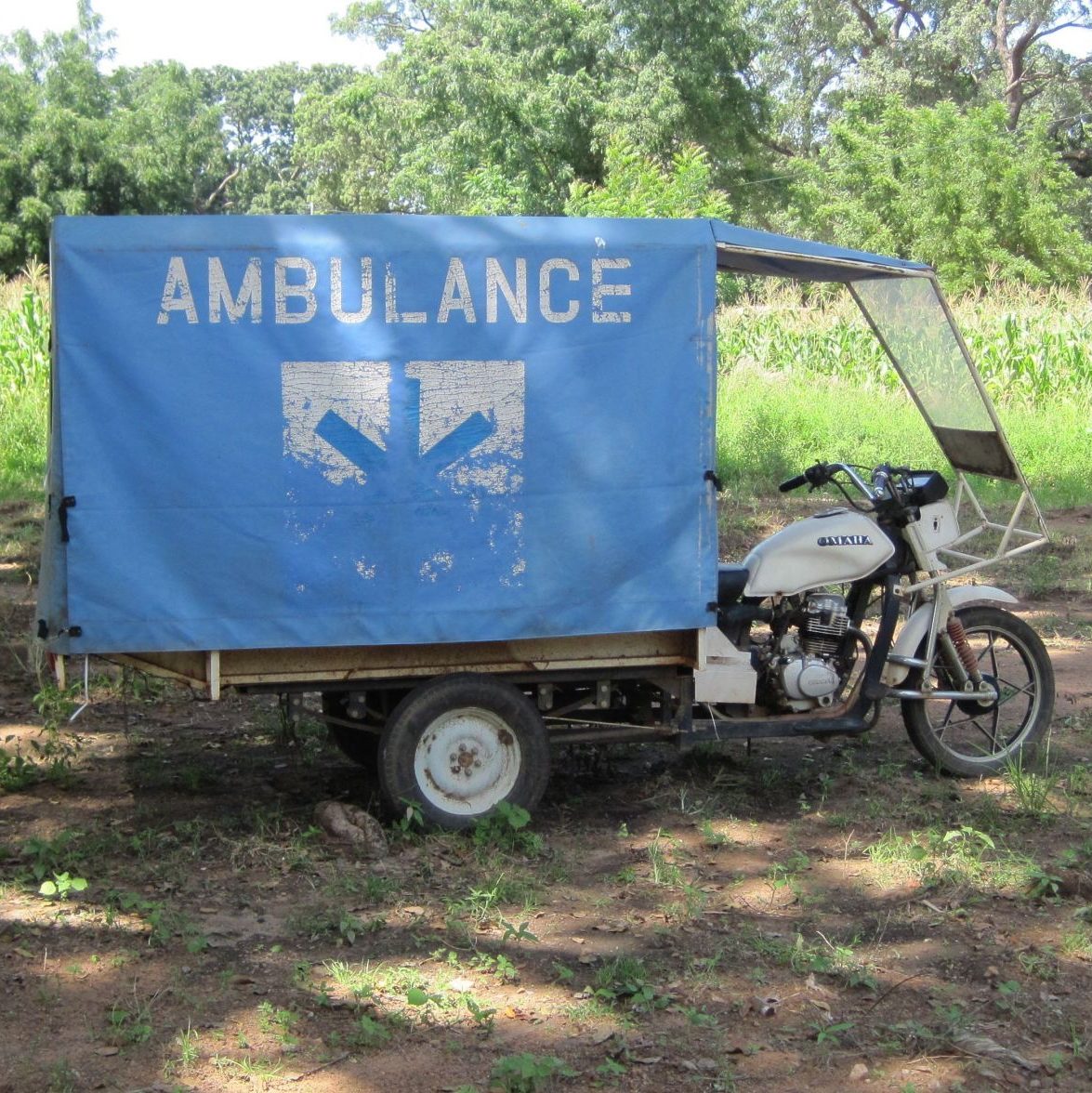
PALLIATIVE CARE IN HUMANITARIAN AID
How can we alleviate suffering and promote care in palliative care settings? This project examines how humanitarian responses can better integrate palliative care by upholding ethical principles and dimensions
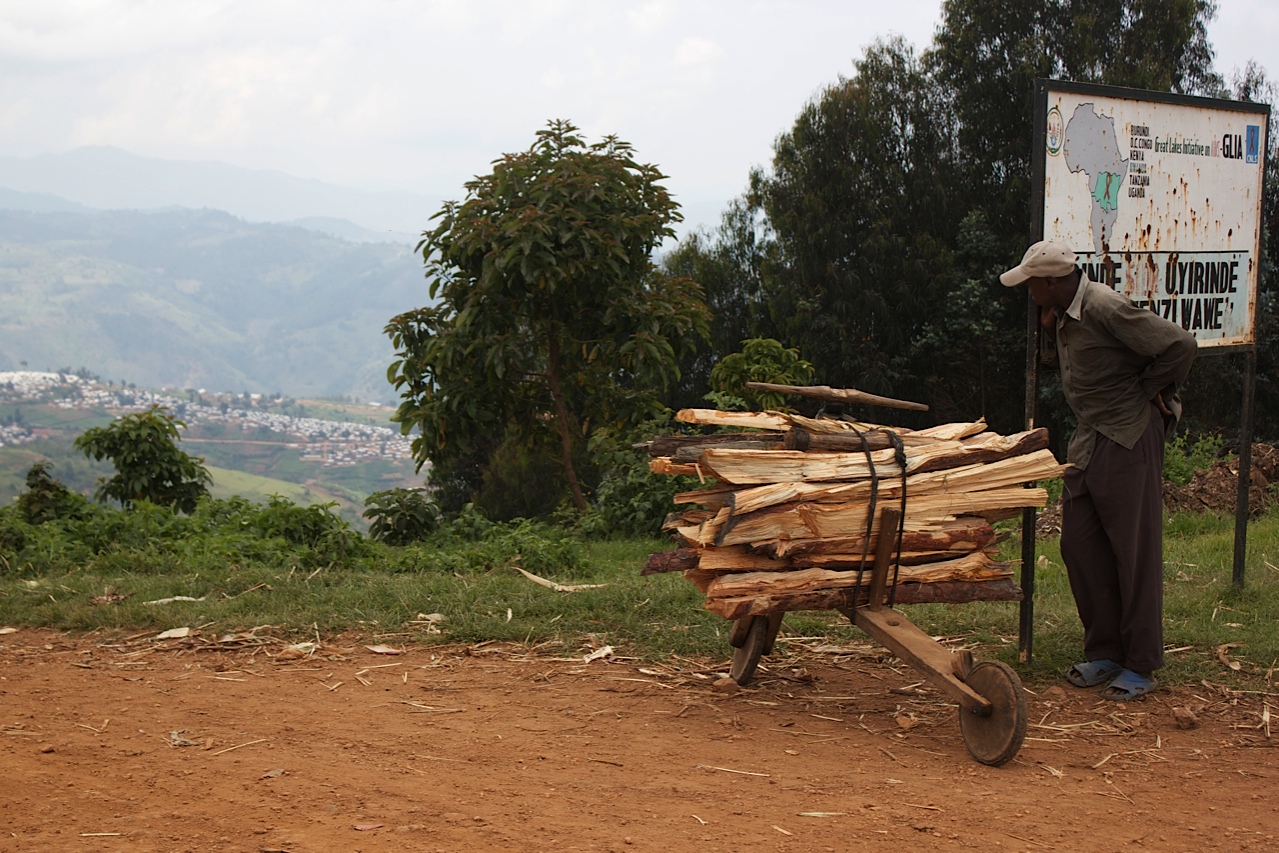
ETHICAL CHALLENGES FOR PRACTITIONERS and researchers
How can practitioners and researchers navigate ethical decision-making in times of crisis? We have conducted several projects exploring the ethical challenges faced by humanitarian aid practitioners and researchers, examining strategies to support principled action in humanitarian settings.

Ethics of Imagery
How can global health and humanitarian aid imagery impact the future of an equitable and just world? This research explores visuals past and present—the deceptive simplicity, fakery, and misleading tropes.

Solidarity in Humanitarian aid and Global health
The project investigates how different conceptions of solidarity can coexist and influence equitable practice using a pluriversal approach—”a world in which many worlds fit.” Activities include literature reviews, regional and deliberative workshops, qualitative studies, mapping exercises, and the design of measurement tools.
 HUMANITARIAN HEALTH ETHICS