
About the Humanitarian Health Ethics Research Group
The Humanitarian Health Ethics (HHE) Research Group is a multidisciplinary team of researchers and practitioners who have been collaborating since 2009. Our work explores how ethical dimensions of humanitarian health initiatives are understood and experienced by different groups. We also undertake inquiries that aim to clarify the ethical challenges that arise in humanitarian healthcare practice and policy.
The group began with a series of qualitative research studies in 2009, which soon revealed the value of building a more coordinated and sustained research program. This vision led to the formation of the HHE Research Group and, in 2012, the hosting of the first HHE Forum. That meeting catalyzed several new initiatives, including the development of this website, and the creation of a set of research priorities for the field.
Since then, the HHE Research Group has collaborated with a wide range of partners and organizations to conduct studies on diverse topics—including ethics oversight of disaster research, palliative care in humanitarian crises, experiences of participation in Ebola clinical trials, and ethical dimensions of humanitarian innovation.
You’ll find short bios of current HHE team members below. Over the years, our work has also benefited from the contributions of former students and close collaboration with local researchers. These partnerships have broadened the scope of our inquiries and strengthened the co-design of our research program.
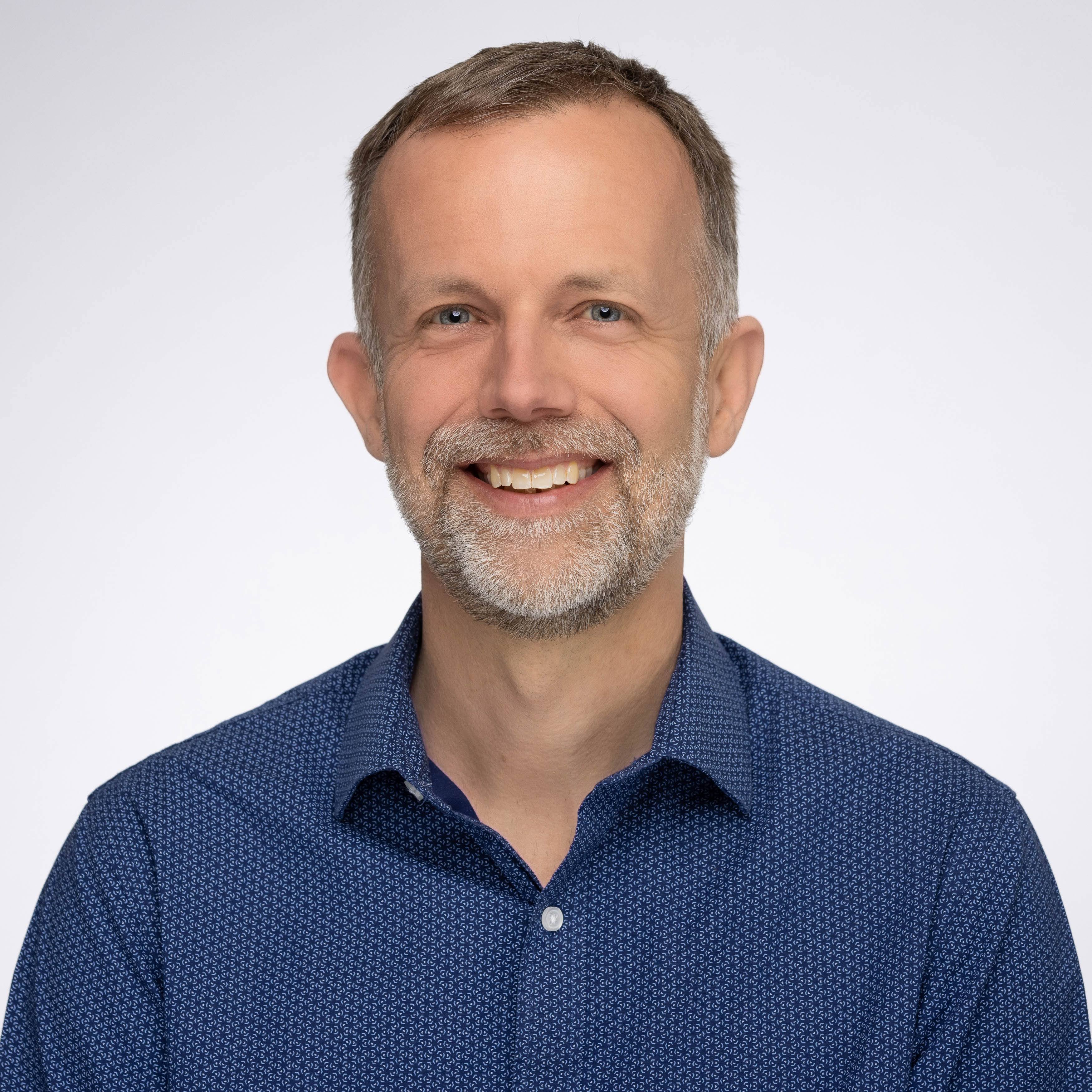
Matthew Hunt, PT, PhD
Matthew Hunt is a professor at McGill University’s School of Physical and Occupational Therapy, and is a researcher at the Centre for Research on Ethics and the Centre for Interdisciplinary Research in Rehabilitation. Previously, he has worked as a physiotherapist in Montreal and North Africa, and as a clinical ethics consultant at four hospitals in Montreal, as well as contributing to rehabilitation training initiatives in Kosovo and Haiti. Matthew conducts research at the intersections of ethics, rehabilitation, and humanitarian action. Current research projects include investigations of ethical considerations in how humanitarian projects are closed, the place of sustainability in humanitarian action, disability inclusion in disaster risk reduction and climate change adaptation, as well as a living laboratory based at a rehabilitation hospital in Montreal (labolevier.com) and several arts-based initiatives related to rehabilitation ethics.

Lisa Schwartz, PhD
Lisa Schwartz is the Arnold L. Johnson Chair in Health Care Ethics with the Faculty of Health Sciences, Professor in the Department of Health Research Methods & Impact (formerly Clinical Epidemiology and Biostatistics), Associate Director of the Centre for Health Economics and Policy Analysis (CHEPA), and Associate Member of the Department of Philosophy, at McMaster University. She is the Director of the interdisciplinary PhD programme in Health Policy. Dr Schwartz is trained as a Clinical Ethics Consultant, and has used and devised frameworks for the ethical challenges that arise in clinical care. She is on the Ethics Review Board for Medecins San Frontieres and provide arms-length review for Guinea CNERS. Dr Schwartz is PI of the original study on humanitarian health care ethics and co-PI on a related study on ethics and military health care professionals. Dr Schwartz has presented this work at MSF Swiss, MSF Canada, the International Committee of the Red Cross and the WHO ethics office in Geneva.
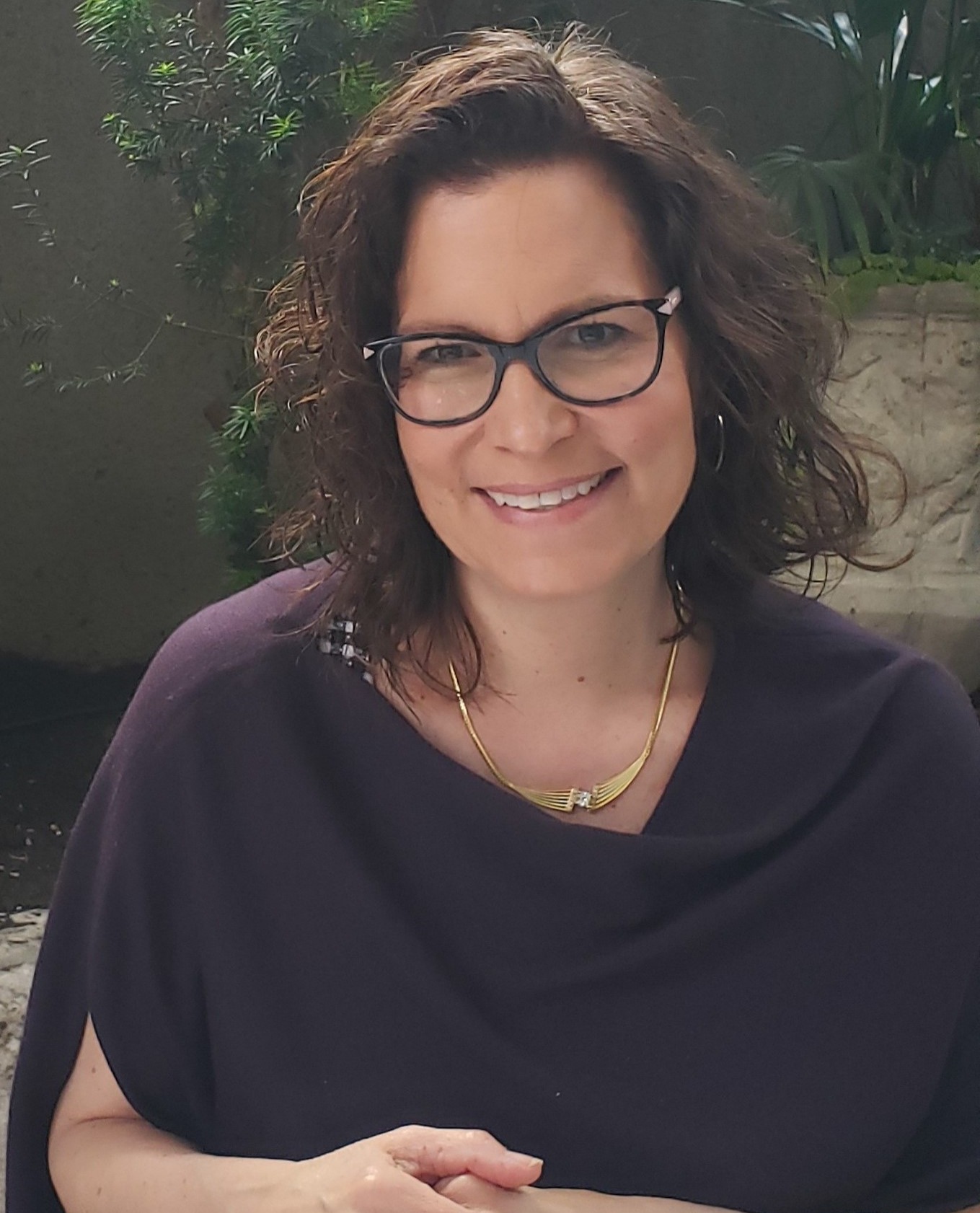
Carrie Bernard, MD, MPH, CCFP, FCFP
Carrie Bernard is a community-based family physician who has practiced for the past 25 years in the growing multicultural community of Brampton, Ontario. Following her time working for Médecins Sans Frontières, her passion for ethics, public health and global health grew and Dr. Bernard pursued her MPH, with a focus on ethics. She subsequently joined the Humanitarian Health Ethics Research Group, led an initiative to develop a novel ethics curriculum for family medicine residents at the University of Toronto, provided expert advice as a member of Public Health Ontario’s committee on communicable diseases, and was a member of the Ontario COVID-19 Bioethics Table, the group responsible for guiding the Ontario Ministry of Health regarding ethical tensions that arose during the worst of the pandemic.

Lisa Eckenwiler, PhD
Lisa Eckenwiler, Ph.D., is Professor in the Department of Philosophy at George Mason University, where she teaches courses in bioethics and global justice, and on a range of topics in global health ethics. Her research centers on vulnerability and structural health injustice, and she has published widely on migration and health justice, humanitarian health ethics, and placemaking and health justice. Recent articles focus on ethics and the closure of humanitarian projects, including, with Munoz-Beaulieu, I., Perez, R., Luneta, M., Hyppolite, S.R., Schwartz. L., Hunt, M. “Thinking Through Abrupt Closure in Humanitarian Assistance: Key Ethical Considerations in Seemingly Impossible Conditions. PLOS Global Public Health 5 (2025): e0004656. https://doi.org/10.1371/journal.pgph.0004656.
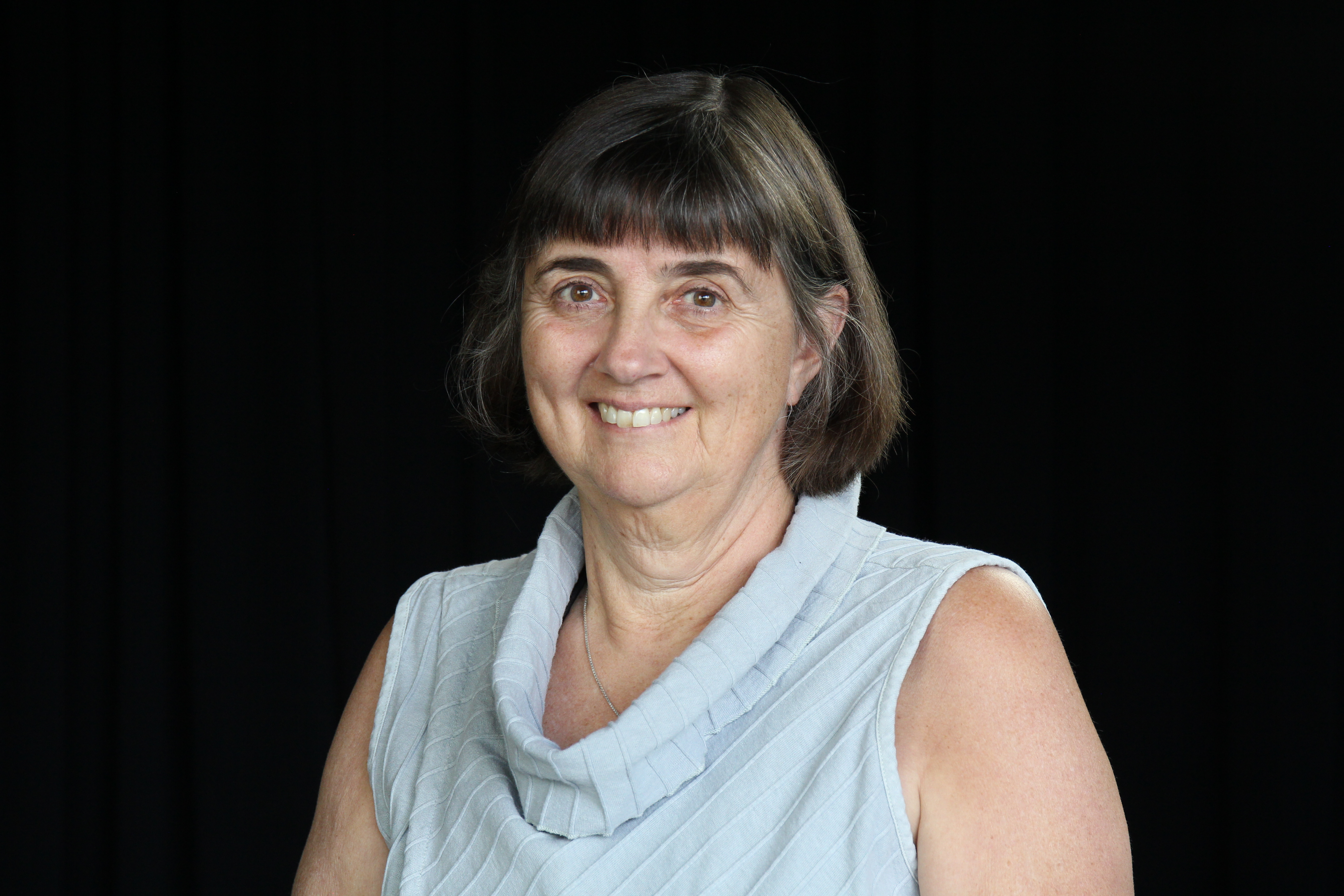
Laurie Elit, MD
Laurie Elit is a gynecologic oncologist who is professor emeritus at McMaster University. In retirement she works for half of the year at Mbingo Baptist Hospital in the north west region of Cameroon. Prior to retirement her research focus was in health services and qualitative research related to the gynecologic cancer care locally and nationally. Since retirement her interests include, HPV vaccine uptake, Quality improvement in cancer care delivery and resident education. In Cameroon Dr. Elit is faculty for the Pan-African Academy of Christian Surgery and Cameroon Internal Medicine residency programs.
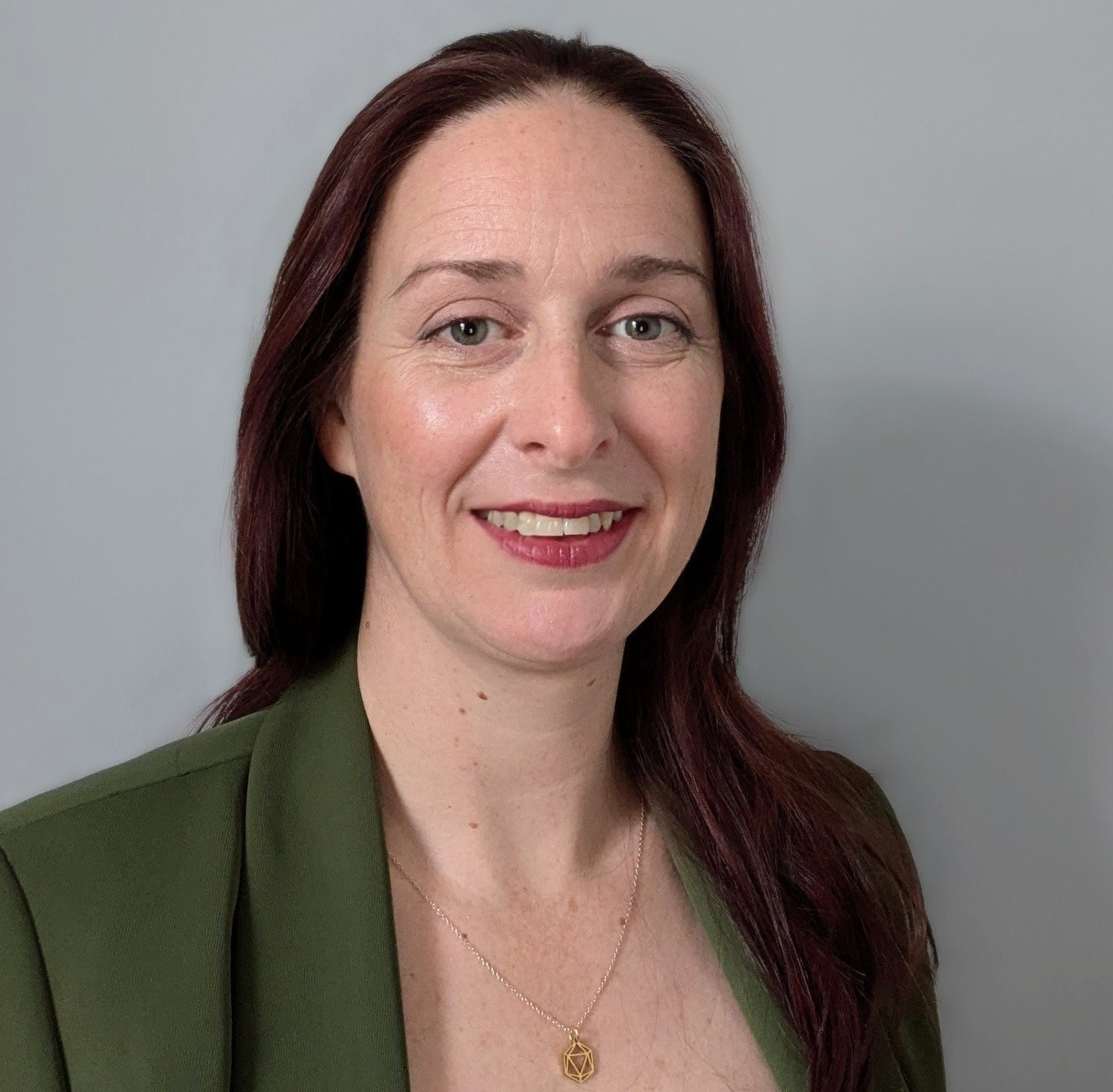
Kate Enright, MPharm, DPhil
Dr. Kate Enright is a postdoctoral researcher in the School of Health Studies at the University of Western Ontario, where she is embarking on qualitative and normative research in infectious disease ethics under the supervision of Professor Maxwell Smith. As a UK-trained pharmacist with a background in the humanitarian sector, Dr Enright’s research interests pertain to the complex and frequently political factors that undermine equitable access to medical products. Although this Global Health challenge is widely researched, Dr Enright is exploring novel frameworks that combine technical pharmaceutical knowledge with ethical theory to achieve new insights. For example, her doctoral studies with the University of Oxford identified an overlooked ethical dilemma in humanitarian health that is potentially caused and intensified by current sociopolitical systems. Prior to her life in academia, Dr Enright served in the British Army and worked for various iNGOs, both of which have informed her current research interests and practices.

Puspita Hossein, MD, MPH, PhD
Puspita Hossain recently earned her PhD in Health Policy from McMaster University. She is a Health Policy and Systems researcher, with her doctoral work examining how institutional factors influence healthcare entitlements for refugees and asylum seekers in varying national contexts. In collaboration with the Canadian Red Cross, she is also engaged in a project aimed at operationalizing ethical considerations in the closure of humanitarian programs, through which she led the development of a practical toolkit. Her research interests lie at the intersection of global health, ethics, and political science, with a particular emphasis on health policy and health systems.
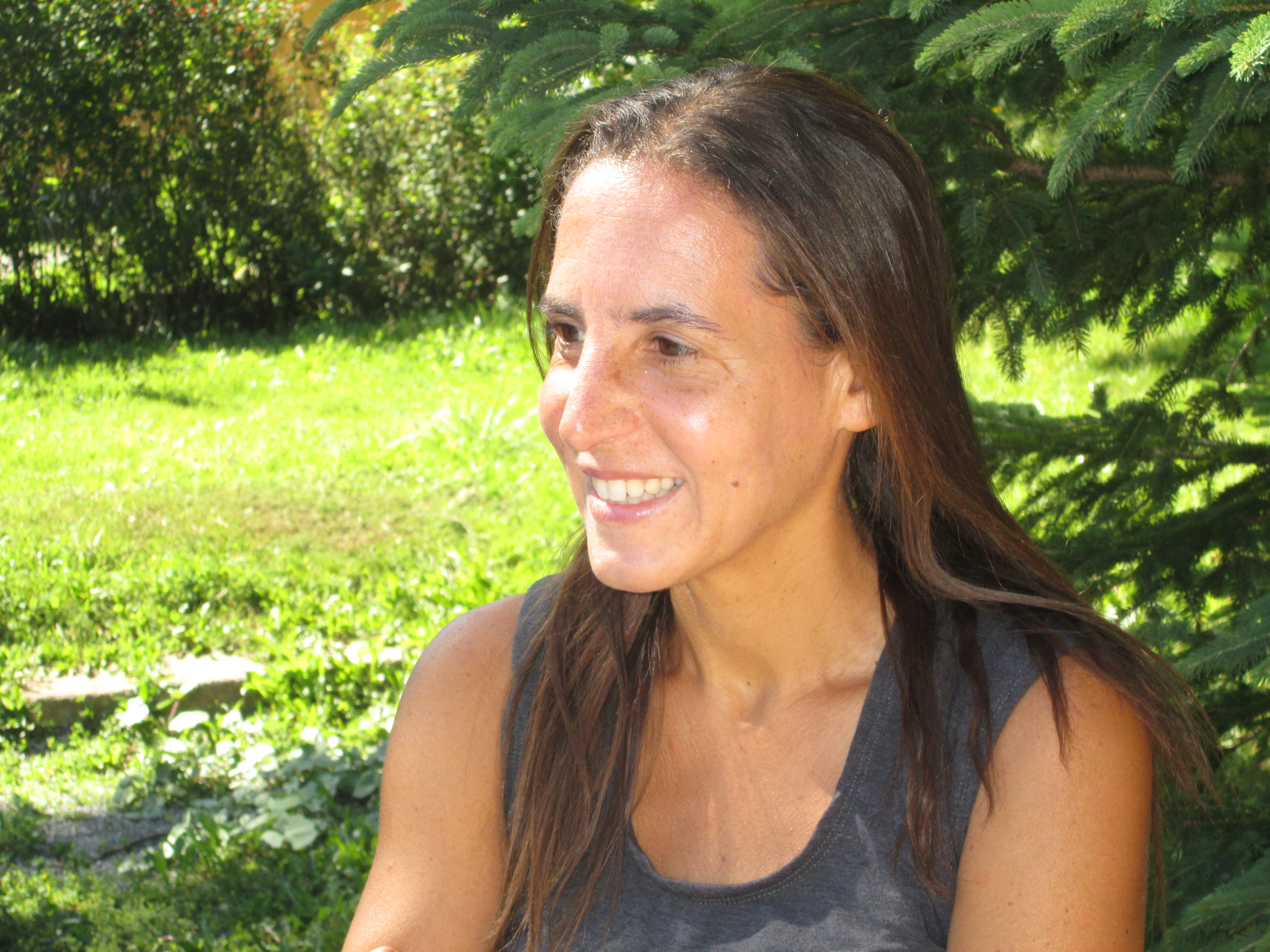
Shelley-Rose Hyppolite, MD
Shelley-Rose Hyppolite began her career as a family physician in the Gaspé region and as a relief doctor in several areas of Quebec, particularly with Indigenous communities. She is currently a specialist physician in public health and preventive medicine. She works as a medical consultant at the public health directorate of the CIUSSS de la Capitale-Nationale and is an associate professor at the Faculty of Medicine at Université Laval. Her work and research focus on social inequalities in health, access to healthcare for people in situations of poverty and social exclusion, participatory approaches, and humanitarian medicine. In addition, she has completed several development and emergency missions for Doctors of the World and the Canadian Red Cross, and she serves on the board of directors for Doctors of the World Canada. She was awarded the 2013 Canadian Society for International Health Award for her achievements.
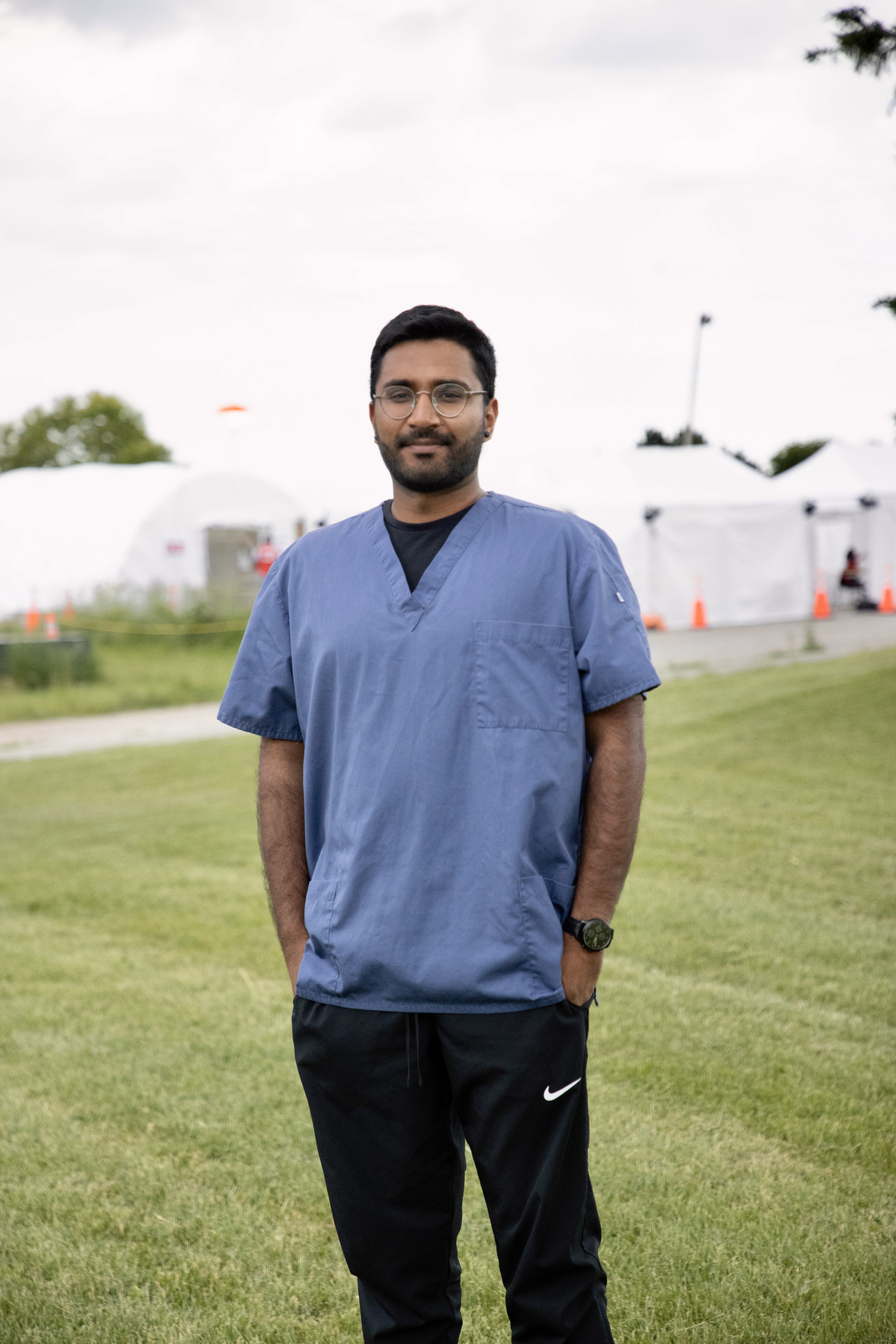
Gautham Krishnaraj, MDc, PhD
Dr. Gautham Krishnaraj is an Adjunct (Part-Time) to the Division of Education & Innovation in the Department of Medicine at McMaster University, and the founding Executive Director of Humanitarian Partners International. Gautham brings over a decade of experience in humanitarian health emergencies, ethics, and adult education. He has domestic (Canadian Red Cross COVID-19 Response) and international (Madrasa Early Childhood Program Kenya) project experience, as well as extensive background as an expert reviewer to organizations including The Humanitarian Grand Challenge, the World Food Programme, and the European Commission High Tech for Humanitarian Aid Prize.
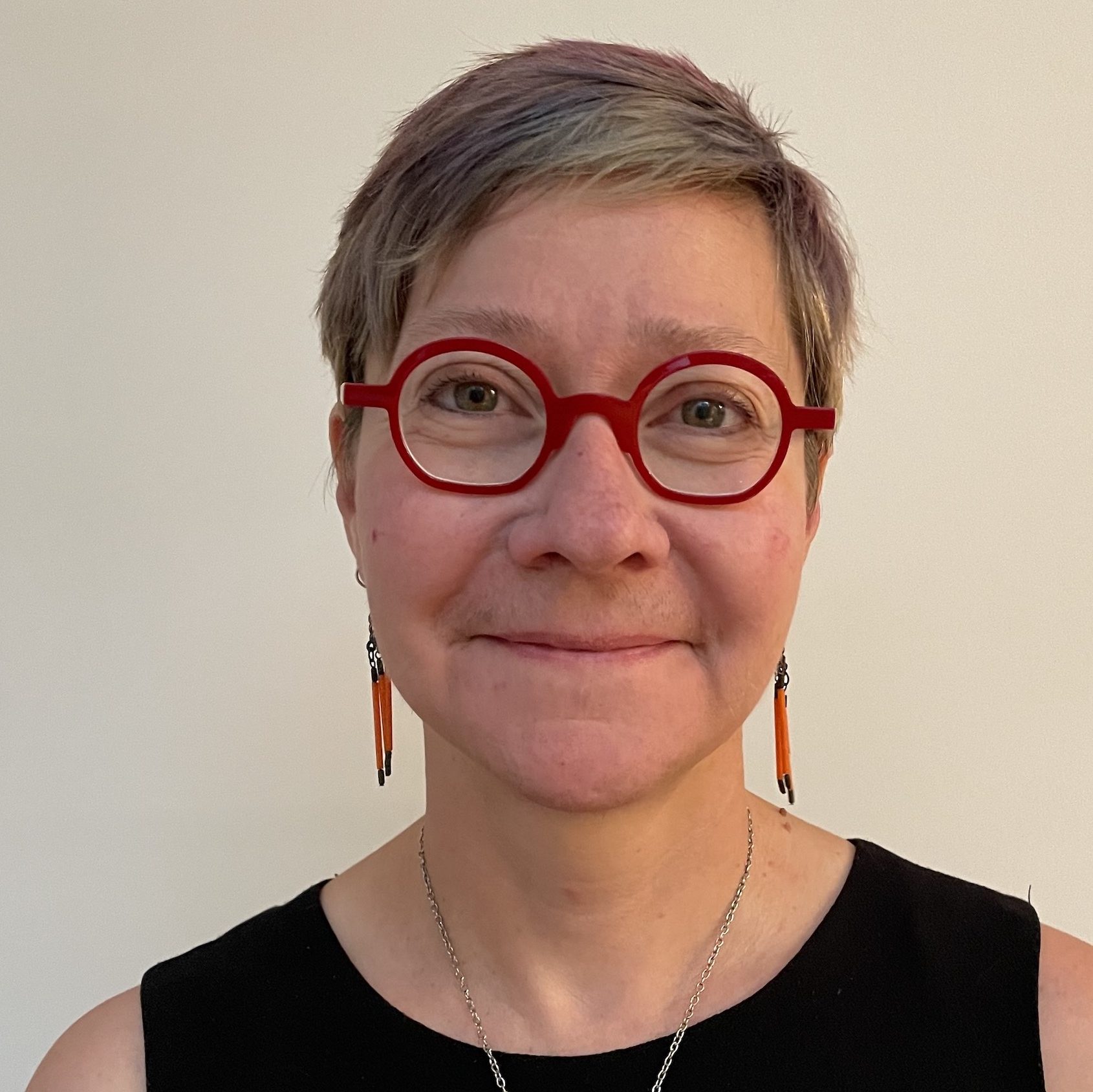
Sonya de Laat, PhD
Dr. Sonya de Laat is the Academic Program Advisor and Curriculum Coordinator in the Mary Heersink School of Global Health and Social Medicine, and a Research Associate with the Department of Health Research Methods, Evidence, and Impact both at McMaster University. With degrees in Anthropology and Media Studies, Dr. de Laat’s work has focused on historical and ethical dimensions of humanitarian visual culture and action. Currently, her focus is on challenging the promises/hopes of photorealistic generative AI and sharing diverse visual histories related to race and photography and longstanding practices of artifice in visual communication practices as a critical interventions. Her postdoctoral work focused on moral and practical dimensions of palliative care in refugee camps drawing attention to small interventions having big impacts, and the importance of partnered research.

Mayfourth Luneta
Mayfourth D. Luneta has twenty-five years of experience in community-based disaster risk reduction and management. She is currently the Deputy Executive Director of the Center for Disaster Preparedness Foundation Inc. She graduated from the University of the Philippines with a course in Community Development and took her master’s course on Public Health at the Adventist University of the Philippines. Her passion is working with communities on community-based disaster risk reduction and management, and community-Led Innovations. She is a council member of the National Anti-Poverty Commission-Victims of Disaster and Calamities Sector and is collaborating on DRR/CCA towards resilience with the different sectors especially with the Youth, Children, Persons with Disability and Women.

Francisco Mendina, HBSc, MMASc, PhD(c)
Francisco Mendina Callero is a PhD student in Health Information Science at Western University. His research, supervised by Dr. Elysee Nouvet, aims to understand how humanitarian healthcare professionals understand and enact solidarity in prolonged conflict settings. This study provides urgently needed empirical insight into the meaning and practice of solidarity in humanitarian healthcare—a concept frequently invoked but seldom examined through the perspectives of those on the front lines. It explores how solidarity interacts with competing demands such as neutrality, safety, and access, and how it is enacted or contested in practice. Rather than assuming solidarity is inherently transformative, Francisco’s research asks what solidarity means, produces, and complicates, contributing to ongoing debates on humanitarian reform and the ethics of global health work.
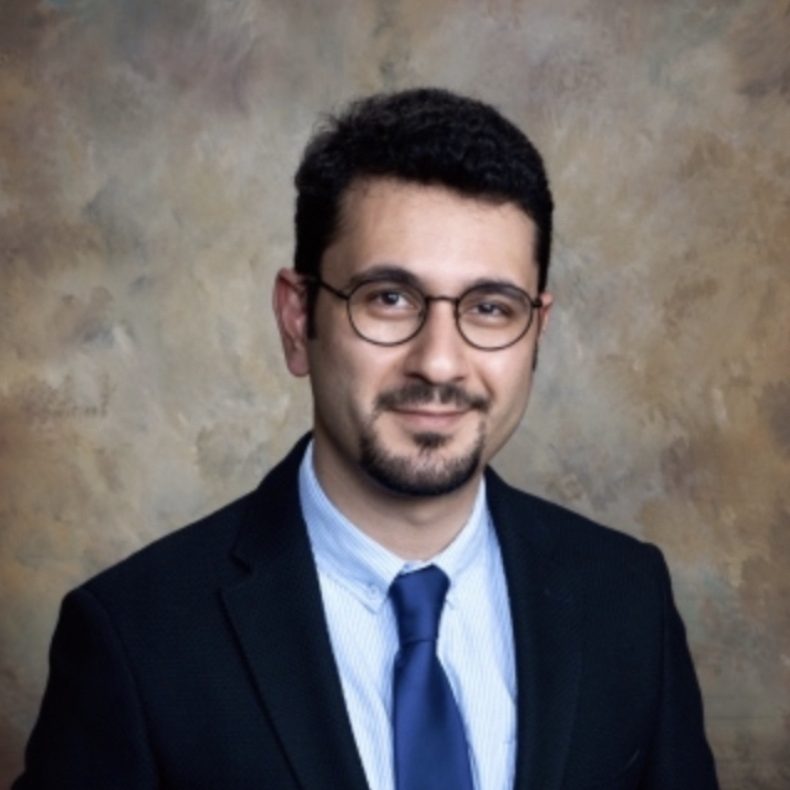
Handreen Mohammed Saeed, MD, MPH
Handreen is a family physician and a Master of Public Health (MPH) student at McMaster University in Hamilton, Ontario, where he also completed a Master of Science in Global Health in 2021. He has worked with Médecins Sans Frontières/Doctors Without Borders (MSF) in Iraqi Kurdistan in 2016 and 2017 on various health-related projects serving refugees and internally displaced populations and is currently a member of the MSF Canada Association. Handreen has recently been accepted into the Primary HIV Care Fellowship Program at the University of Toronto, which he plans to begin in October. His professional interests include medicine, global and public health, infectious diseases, humanitarian work, and ethics.
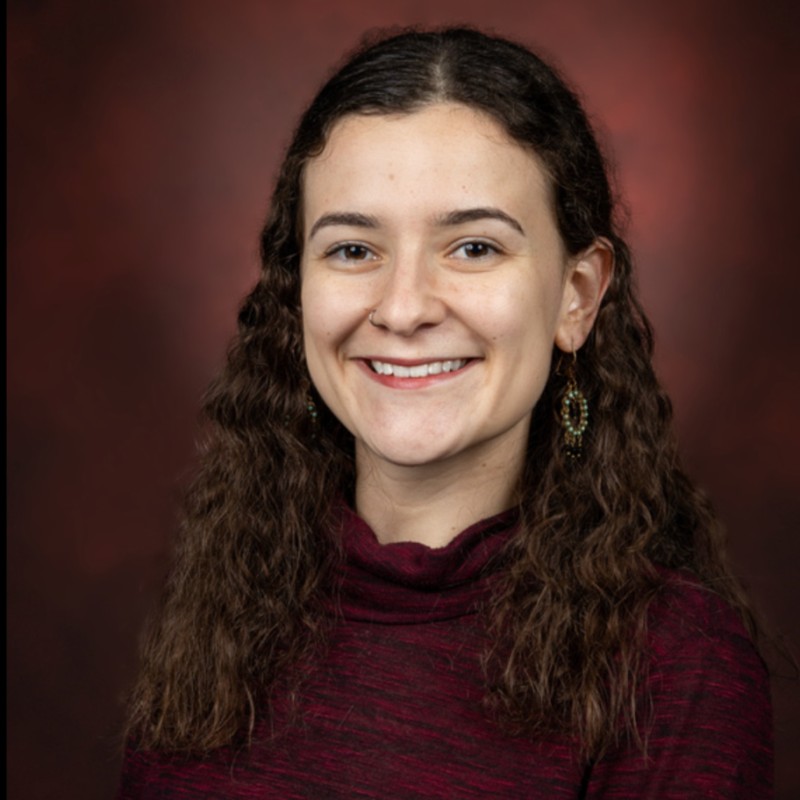
Isabel Muñoz Beaulieu, PhD(c)
Isabel Muñoz Beaulieu is a PhD student at McGill University. Her work and research on humanitarian and global health ethics builds upon collaborations with the Center for Disaster Preparedness in the Philippines and the Canadian Red Cross. Her PhD thesis focuses on what remains after humanitarian organizations leave. Her research examines the opportunities and challenges for interpreting and enacting sustainability of services, benefits, and relationships in humanitarian aid. Isabel has gained field experience working in the humanitarian and development field with the United Nations High Commissioner of Refugees in Guatemala and The Hunger Project. She has also supported several projects to advance equity in health at Women’s College Hospital and as a research associate for the O’Neill-Lancet Commission on Racism, Structural Discrimination and Global Health.
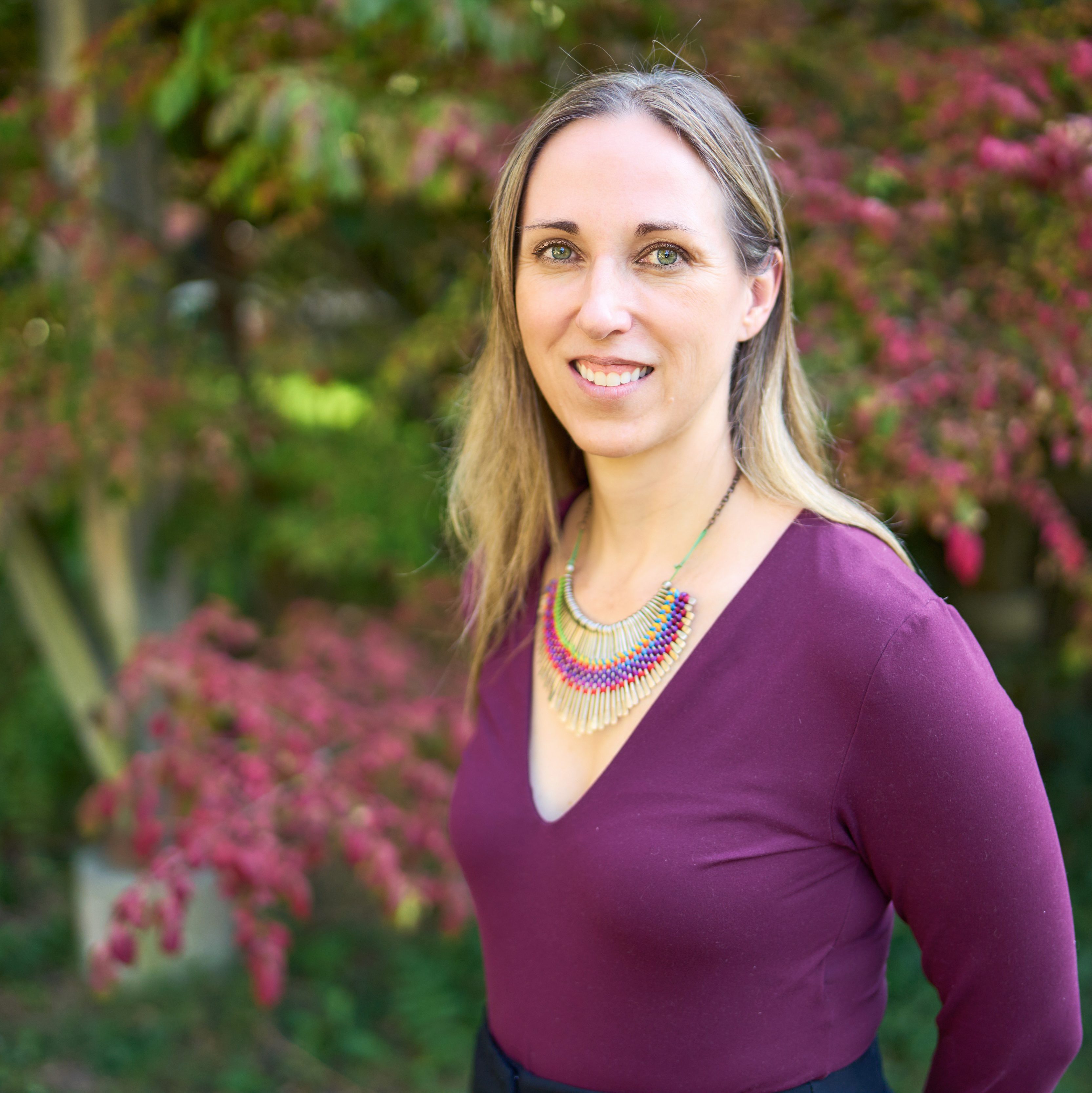
Elysée Nouvet, PhD
Professor Nouvet is a socio-anthropologist specializing in research ethics, public health emergencies, the social determinants of suffering, and community engagement. She holds a master’s degree from Goldsmiths College (United Kingdom) and a doctorate from York University (Canada). She is an associate professor in the School of Health Studies at Western University in Canada. She works with several African ethics committees to strengthen good practices in community engagement and serves on advisory committees, contributing her expertise in research ethics, notably at CERCLE (Coalition for Ethical Research in Low- and Middle-Income Countries), the WHO, and as the North American representative member of the Center for Applied Ethics in the Democratic Republic of Congo.
Ilja Ormel, PhD
Ilja Ormel works at the Global Heath and Research department as a senior manager Health Intelligence, Research and Development (HIRD) for the Canadian Red Cross. She is responsible for leading a team who provide technical support to CRC’s domestic and global health in emergencies programs and projects. In the past, Ilja worked for different humanitarian organizations (MSF, DRC, ACF and UNICEF) as a logistician, health promoter, research and trainer in countries such as South Sudan, DRCongo, Uganda, Cameroon, India, Bangladesh and Haiti. Her research experience in different humanitarian response settings relates to disease outbreak responses, health promotion programmes, ethics in humanitarian innovation and community engagement practices in a global COVID vaccine trial. In Canada, she co-founded the Health Experiences Research Canada (HERC) group (www.healthexperiences.ca)
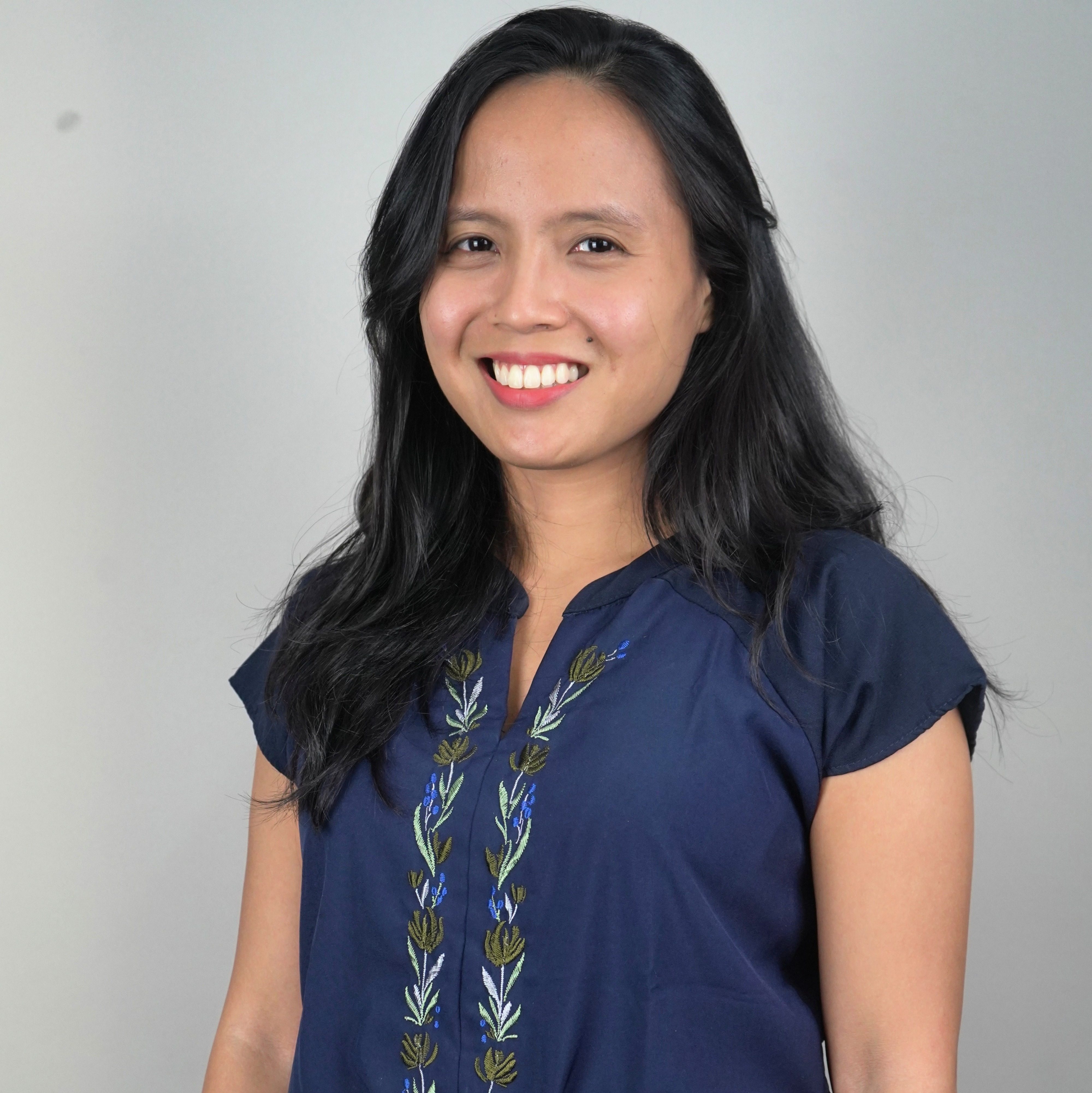
Revka Perez, MA
Revka Perez is an associate researcher at the Center for Disaster Preparedness Foundation, Inc. in Quezon City, the Philippines. With a background in public administration, urban planning, and political science, she has worked with communities, local governments, academic, non-government organizations, and other stakeholders in crafting and implementing policies and programs relevant to public needs and in support of sustainable development.
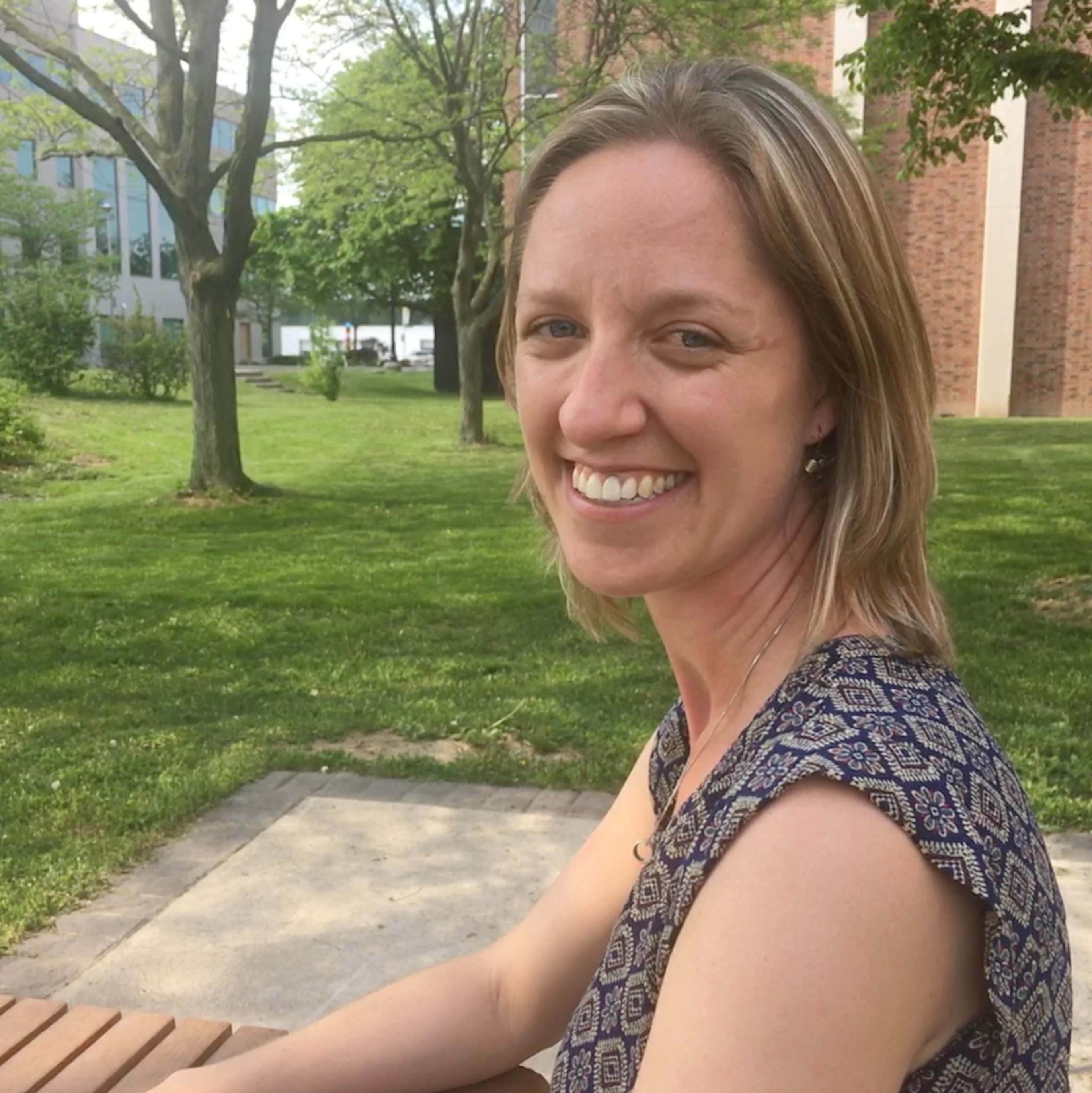
Rachel Yantzi, RN, MSc, PhD(c)
Rachel Yantzi holds a master’s degree in community health nursing and public health from the University of Illinois at Chicago, and a bachelor’s degree in nursing from Goshen College. In addition to her work with the Humanitarian Health Ethics Research Group, Rachel is pediatric critical care nurse at McMaster Children’s Hospital and coordinates a study related to ethics during pediatric resuscitation research. Rachel worked with MSF in the Central African Republic in 2009 as supervisor of an inpatient department and therapeutic feeding program. Rachel’s research interests include patient and family experiences of healthcare and research participation, palliative care during the humanitarian response, qualitative health research methods, moral distress among international and national humanitarian healthcare providers, and critical approaches to humanitarian health ethics.
 HUMANITARIAN HEALTH ETHICS